UKG’s EZCall solution and implementation considerations for healthcare providers
Healthcare organizations continue to invest in workforce technology to improve staffing efficiency, reduce burnout, and strengthen patient care outcomes. As these investments grow, one reality becomes clear: not all scheduling challenges require the same type of solution.
Many clinical environments operate on structured, rotation-based models. In these settings the priority is not demand forecasting, but fairness, transparency, and consistency. UKG’s EZCall solution aligns well with these needs by focusing on how the work is distributed rather than how demand fluctuates.
UKG’s EZCall is designed for environments where coverage follows predictable patterns. This includes physician on-call schedules, emergency department provider coverage, residency rotations, and many perioperative staffing models. These departments require clear rules with an equitable distribution of shifts and schedules that clinicians can rely on.
Rather than continuously adjusting staffing levels, the focus is on assigning shifts in a way that is consistent and defensible. That distinction matters in clinical settings where perceived fairness directly impacts engagement and retention.
What EZCall Looks Like in Practice: A Case Study
The Challenge: Manual Scheduling Creates Friction and Erodes Trust
We worked with multi-site health system in the Midwest that managed emergency department coverage across five hospitals. Each physical location operated with slight differences in provider mix, clear expectations for weekends and holidays, and local scheduling practices that pertained to their individual providers.
Scheduling was handled manually by emergency department medical directors using spreadsheets. Over time, this approach naturally created friction. Night and weekend shifts were not always evenly distributed, and co-workers grew resentful of one another as a result. Time-off requests were handled inconsistently, but it was almost impossible to validate. Providers working across multiple locations lacked visibility into how assignments were made and process required frequent back-and-forth communication and constant adjustments.
The underlying issue was not coverage; shifts were filled and patients received care. The issue was trust in the process and the manual effort required. Providers questioned whether schedules were equitable, particularly when they worked across facilities, and they struggled to understand how their organization still operated on a paper-based solution to staff physicians and other advanced practice providers despite their other investments in cutting edge technology.
The Solution: EZCall and Improv WFM Services
The organization implemented EZCall to standardize provider scheduling across all five emergency departments. The change centered on establishing a shared set of rules for how schedules would be built. Improv partnered with clinical and operational leaders through a structured discovery and design process, which included:
Facilitating alignment across all emergency departments’s to identify current-state and pain points
Defining standardized rotation logic for nights, weekends, and holidays
Mapping provider assignments across all locations to ensure equity
Incorporating requirements into scheduling rules
Once the design was finalized, Improv configured the system to reflect the standardized rules and workflows. In parallel, the clinical team supported data setup and validation including provider rosters, scheduling groups, and rotation templates. This was critical to ensure accuracy and trust in the system from day one, as well as helped increase user adoption and buy-in from their front-line staff.
The Outcome: Standard Processes Improved Efficiency and Provider Confidence
Rotation logic for nights, weekends, and holidays became consistent. Time-off requests followed the same structure across locations. Expectations for providers working in multiple facilities were clearly defined.
This standardization removed variation that had previously existed between sites. More importantly, it made the process transparent. Providers could see how schedules were created and how shifts were distributed over time. That visibility reduced disputes and limited the volume of last-minute change requests.
Medical directors also experienced a measurable shift in workload. Building schedules no longer required multiple iterations and extended email chains. The process became structured and repeatable. One leader described it as a transition from negotiation to process. Over time, the organization saw measurable improvements. Administrators reduced the time required to build schedules, while last-minute change requests and provider disputes declined. The shift toward a structured, rules-based process improved both efficiency and provider confidence in how schedules were created.
The system didn’t change staffing levels or shift requirements; it just changed how those shifts were assigned and how staff utilized the solution in front of them. That shift in approach improved consistency and reduced administrative effort across the board. As a result, the organization expanded EZCall into other areas with similar scheduling needs, including their perioperative departments in multiple locations.
Where EZCall Really Shines
The EZCall solution simplifies provider scheduling while maintaining structure by applying predefined rules to distribute shifts in a way that is consistent and transparent. This includes balancing nights, weekends, and holidays while also accounting for time-off requests and credential requirements. When expectations are clear and consistently applied, disputes decrease and trust increases.
The solution also supports scheduling stability when those schedules follow established rotation patterns and remain relatively fixed once published. This reduces disruption and supports continuity, which is especially important in physician and specialty care environments. Administrative efficiency is another consistent outcome. Organizations moving from manual processes often reduce the time spent building schedules, managing conflicts, and communicating changes. Centralizing scheduling within a structured system improves visibility and reduces fragmentation.
EZCall delivers value through its ability to connect with downstream workforce processes. As part of the UKG ecosystem, scheduling outputs can integrate with timekeeping and payroll, ensuring that assigned shifts align with actual worked time and compensation structures. This reduces discrepancies, minimizes error, supports accurate pay practices, and strengthens data consistency across the entire workforce system. Organizations benefit from maintaining a focused provider scheduling experience while still enabling alignment with enterprise timekeeping and payroll processes. This connection becomes increasingly important in multi-site environments where auditability and accurate labor tracking are critical.
Making the Right Choice for Your Organization
Selecting a scheduling solution requires a clear understanding of how work is structured. EZCall is a strong fit for organizations managing predictable schedules where transparency and equity are critical. It is particularly effective when manual processes create administrative burden or when inconsistency across departments leads to dissatisfaction.
EZCall provides a focused, effective approach to managing provider scheduling. It improves consistency, reduces administrative effort, and creates a transparent framework for assigning shifts. For healthcare organizations evaluating their workforce strategy, the goal is alignment. In environments where scheduling is structured and predictable, EZCall offers a practical solution that supports both operational efficiency and workforce trust. If you’re interested in learning more about our UKG EZCall offerings, click here.
About Improv
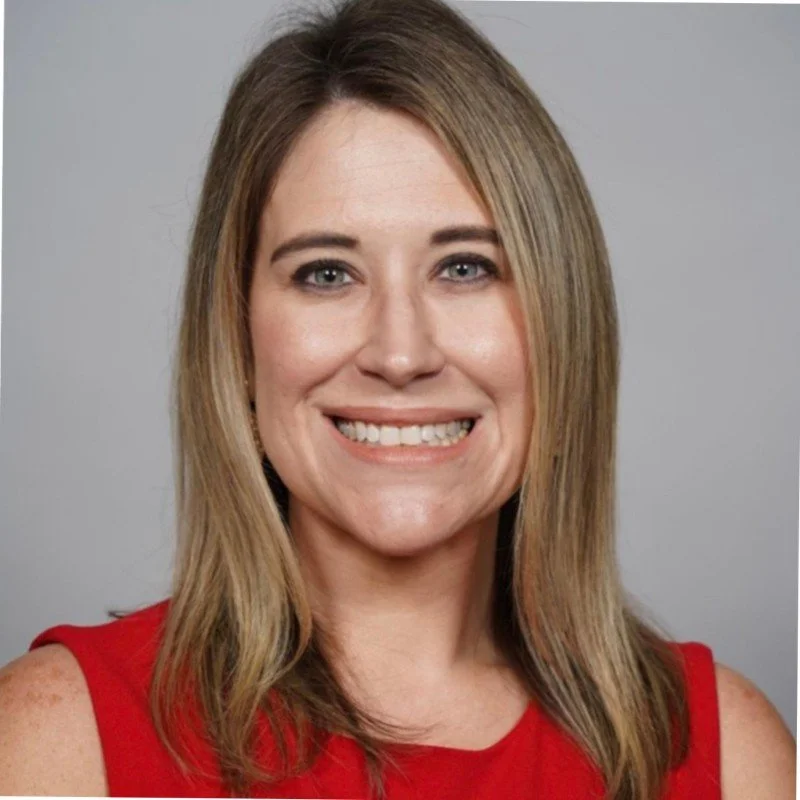
Dr. Sarah Inman is the Senior Vice President of Healthcare and Partner at Improv. She is a recognized thought leader in workforce management, healthcare operations, and human capital strategy. With a doctorate in Healthcare Administration, Dr. Inman focuses on aligning technology, staffing models, and operational governance to improve outcomes for both patients and clinicians. She is a frequent speaker, podcast host, and published author on topics including workforce optimization, regulatory readiness, and the future of healthcare staffing.
Improv partners with hospitals, dental groups, and ambulatory care organizations to design sustainable workforce systems that reduce administrative burden, improve staff engagement, and enhance patient care outcomes. Dr. Inman’s work combines practical experience, data-driven insights, and a deep understanding of the human side of healthcare operations. You can learn more about the team at www.improvizations.com.